Adult therapy in Nagpur, at every stage of life
Speech-language therapy, stuttering therapy, occupational therapy and counselling for adults.
Qualified, named therapists · 2A Swaroop Nagar, Nagpur · We usually call back within 1 working day during working hours.

What we help adults with
If any of these sound familiar, an assessment is a good first step.
Speech-language therapy
- Speech and language after a stroke (aphasia)
- Speech difficulties after brain injury or illness
- Stuttering (stammering)
- Misarticulation (unclear speech sounds)
- Cleft palate speech
- Voice difficulties
Occupational therapy
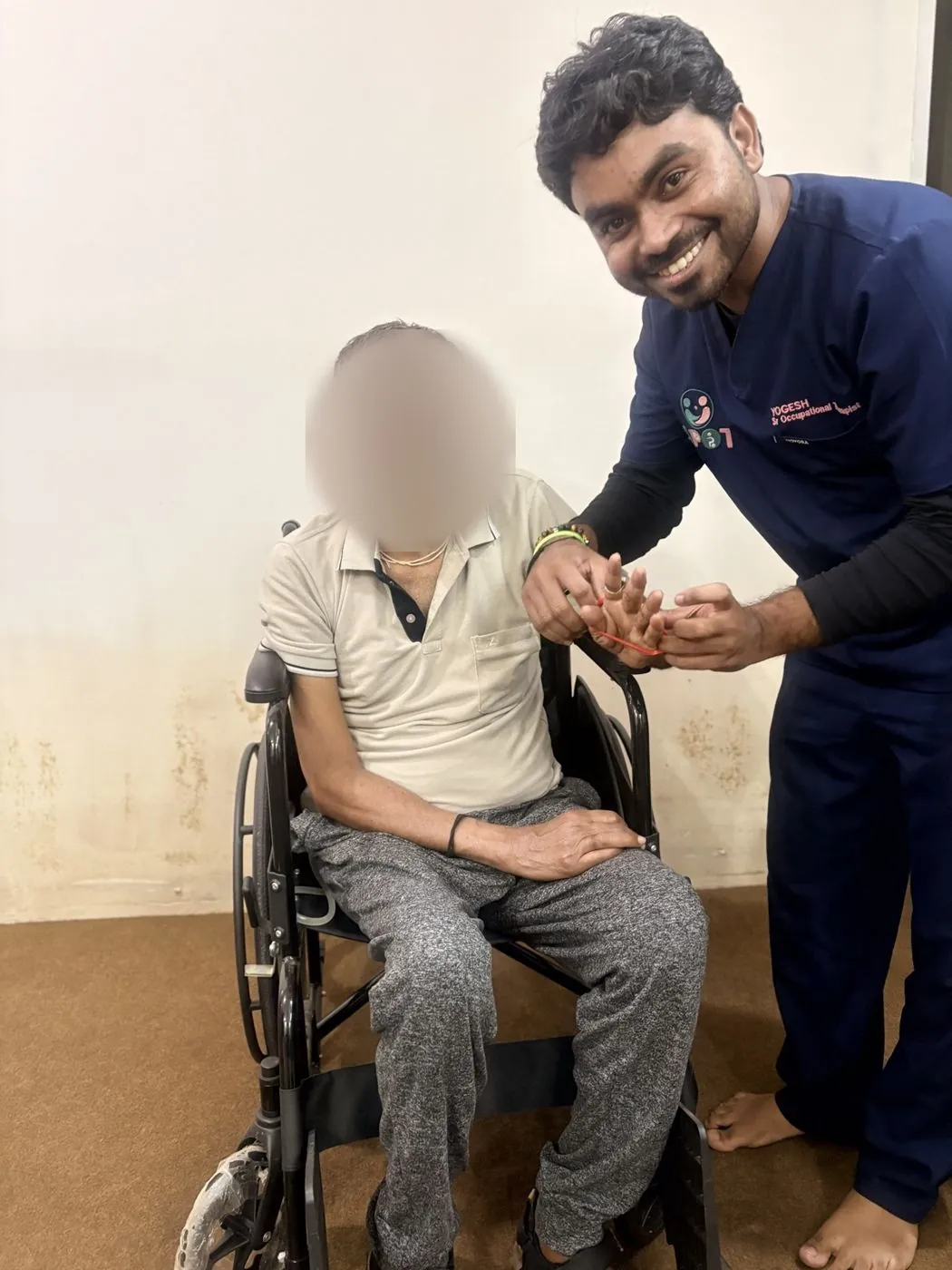
- Rehabilitation after a stroke
- Hand rehabilitation and grip strength
- Fine motor and hand function
- Daily living skills after illness or injury
Psychological counselling
- Stress and emotional difficulties
- Anxiety and low confidence
- Support for families after a diagnosis
What to look out for
A general guide. Every child develops at their own pace, so use it to decide when to ask, not to diagnose.
Difficulty speaking, finding words, understanding, using a hand or doing daily tasks.
Long-standing stammering, unclear speech, or anxiety about speaking in interviews and presentations.
A tired or hoarse voice, stress or emotional difficulties, or a hand injury affecting work.
Changes in speech, communication or independence in daily activities.
How it works at SPOT
Assessment
A detailed assessment of your communication, daily living or emotional needs.
Personal goals
Goals that matter in your work, family and social life.
Therapy sessions
Regular sessions, adjusted to your pace and schedule.
Practice and family support
Exercises for home, with guidance for family members where helpful.
Our adult team: Monika Pilania and Gagandeep (speech), Dr Yogesh Mandawkar (OT), Vandana Harsulkar and Surbhi Gupta (counselling).
Meet the team →What happens in the first assessment
You will leave with a clear picture of what is happening and what to do next.
Book an assessment- Before you come: we ask a few questions on the phone and fix a time. Bring discharge summaries, scans or doctor's notes, and a family member if that helps.
- During the assessment: the therapist takes a detailed history and talks with you about what is difficult. We assess your communication, hand function or daily activities, depending on your concern, and talk about your goals at home and work.
- After the assessment: we explain what we found in simple language, suggest whether therapy is needed, and give you one or two things to start at home straight away.
- How long it takes: usually 1 to 2 hours, depending on your needs. A family member is welcome to join you.
What parents can do at home
Therapy works best when it continues in daily life. Your therapist will tailor these ideas to your child.
Read: Signs worth getting checked (Parents' corner) →- Practise the exercises we give you for short periods, several times a day.
- Family members can help by giving time to speak, without finishing sentences.
- Use everyday tasks, like making tea or writing a list, as practice.
- Rest when tired. Steady, regular practice works better than one long session.
- Keep your doctor informed, and come back to us if anything changes.
Your therapists


Clinically reviewed by Monika Pilania, BASLP (AIISH, Mysore), Clinical Director
Common questions
Is it too late to work on stuttering as an adult?
No. Many adults improve fluency and confidence with therapy at any age.
Do I need a doctor's referral?
No, you can contact us directly. If you are under a doctor's care, we are happy to coordinate with them.
Can family members attend?
Yes. Involving family often helps, especially after a stroke or illness.
How soon after a stroke should therapy start?
Therapy is usually started once your doctor says you are medically stable. Please follow your doctor's advice and share your reports with us.
Can I have sessions online?
For some goals, yes. Speech, stuttering and counselling sessions can often continue online once we have met you. See online therapy.
What should I bring to the first session?
Bring any discharge summaries, scan reports and a list of current medicines, and a family member if you would like support.
Support that works together

Speech-language therapy
Misarticulation, late talking, stuttering, cleft palate speech, and speech after a stroke.
Learn more →
Occupational therapy
Sensory, motor and handwriting skills for children; rehabilitation and daily living skills for adults.
Learn more →
Online therapy
Video sessions and parent coaching for families outside Nagpur, when online work suits the need.
Learn more →Not sure where to start?
Tell us what you have noticed. We will listen, and guide you to the right first step.