Stuttering and stammering therapy in Nagpur for children and adults
Stuttering, also called stammering, is common and treatable. We help children and adults speak with more ease and confidence, and help families respond in the right way.
Qualified, named therapists · 2A Swaroop Nagar, Nagpur · We usually call back within 1 working day during working hours.

When stuttering therapy can help
If any of these sound familiar, an assessment is a good first step.
Book an assessment- Repeating sounds or words ("b-b-ball", "I-I-I want")
- Stretching sounds ("sssssun")
- Getting stuck, with no sound coming out
- Tension in the face, blinking or other movements while speaking
- Avoiding words, situations or speaking altogether
- Worry or embarrassment about speaking
What to look out for
A general guide. Every child develops at their own pace, so use it to decide when to ask, not to diagnose.
Stammering often starts at this age. Watch for repetitions with tension or struggle, or stammering that lasts longer than about six months.
Getting stuck when reading aloud or answering in class, teasing, or avoiding speaking.
Avoiding phone calls, presentations or certain words; worry about speaking.
Long-standing stammering that affects work, interviews or social life.
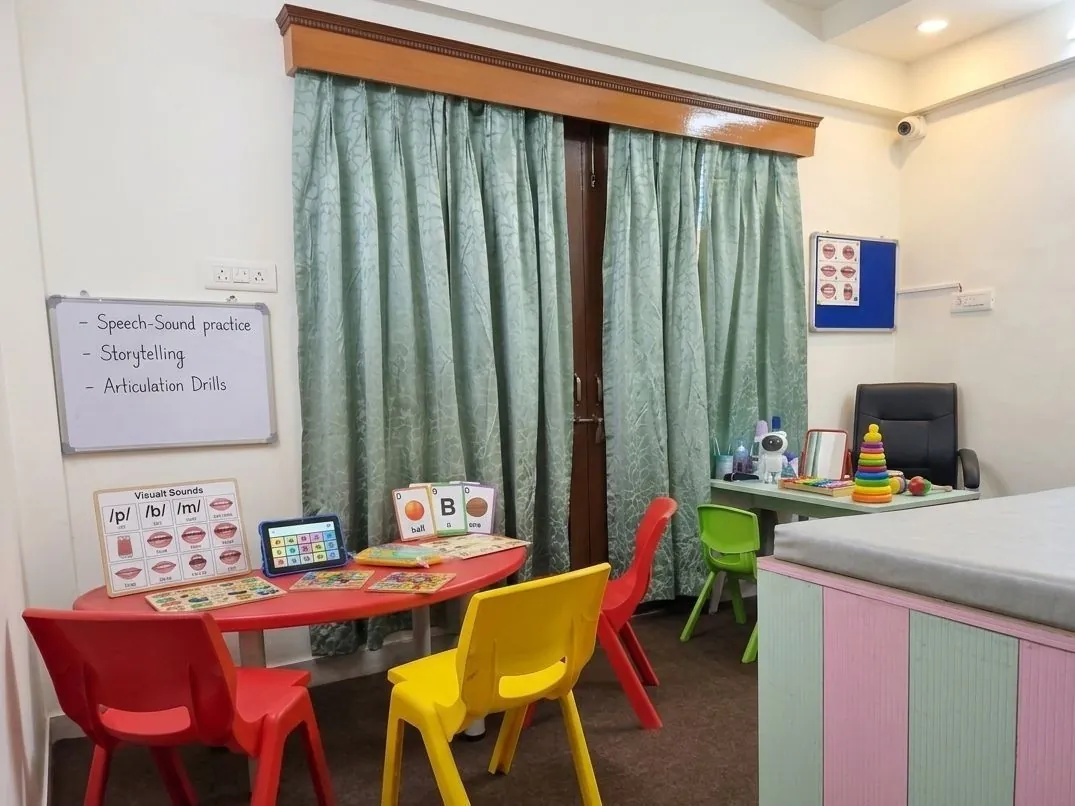
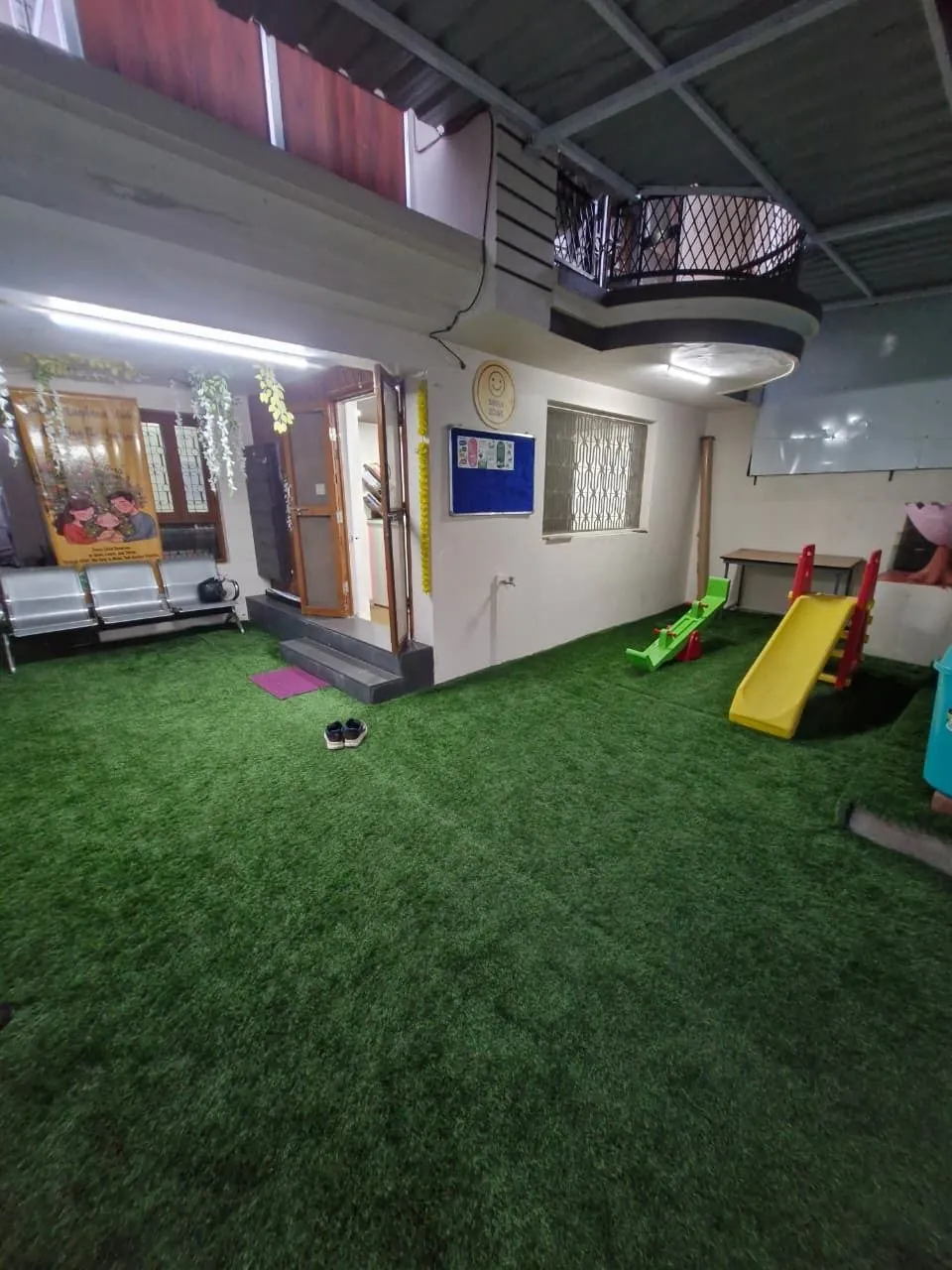
How it works at SPOT
Fluency assessment
We listen to speech in different situations, and ask about feelings and situations that are hard.
Personal goals
Goals that matter to you or your child, like answering in class or speaking on the phone.
Therapy sessions
Evidence-based approaches suited to age, from parent-led programmes for young children to fluency techniques for older children and adults.
Practice in real life
We plan practice at home, school or work, and build confidence step by step.
Our stuttering therapy team: Monika Pilania and Gagandeep.
Meet the team →What happens in the first assessment
You will leave with a clear picture of what is happening and what to do next.
Book an assessment- Before you come: we ask a few questions on the phone and fix a time. Bring a short phone video or audio of your child talking at home if possible, and any previous reports.
- During the assessment: the therapist takes a detailed history, then observes and plays with your child. We record a short speech sample, look at the type and frequency of stammering, and ask how it affects daily life and feelings.
- After the assessment: we explain what we found in simple language, suggest whether therapy is needed, and give you one or two things to start at home straight away.
- How long it takes: usually 1 to 2 hours, depending on your child's needs. You stay with your child throughout.
What parents can do at home
Therapy works best when it continues in daily life. Your therapist will tailor these ideas to your child.
Read: Stammering in children. What parents can do at home →- Speak a little more slowly and calmly yourself, without asking your child to slow down.
- Give your child time to finish. Do not finish words or sentences for them.
- Keep eye contact and listen to what they say, not how they say it.
- Set aside a few minutes of calm one-to-one talking time each day.
- Reduce rushed questions and time pressure in conversations.
- If your child is upset about stammering, acknowledge it kindly.
Your therapists

Clinically reviewed by Monika Pilania, BASLP (AIISH, Mysore), Clinical Director
Common questions
Will my child grow out of stammering?
Many young children who start stammering stop without therapy, but some do not, and it is hard to predict who will. If it has lasted more than a few months, or your child is struggling or upset, an assessment is worthwhile.
Is stammering caused by something parents did?
No. Stammering is not caused by parenting. Parents can, however, help a lot by how they respond.
Should I tell my child to slow down or take a breath?
Usually not. It can increase pressure. Slowing your own speech and giving time works better.
Can adults who stammer get help?
Yes. Adults can learn techniques to speak more easily and manage difficult situations with more confidence.
Does stress cause stammering?
Stress does not cause stammering, but tiredness, excitement or pressure can make it more noticeable.
How long does therapy take?
It varies with age and goals. We set clear goals and review progress with you regularly.
Support that works together

Speech-language therapy
Misarticulation, late talking, stuttering, cleft palate speech, and speech after a stroke.
Learn more →
Psychological counselling
Emotional and behavioural support for students, adults and families.
Learn more →
Online therapy
Video sessions and parent coaching for families outside Nagpur, when online work suits the need.
Learn more →Not sure where to start?
Tell us what you have noticed. We will listen, and guide you to the right first step.