Sensory integration therapy in Nagpur for calmer, more confident children
Play-based occupational therapy for children who find everyday sounds, touch or movement too much, or too little, so daily life feels more comfortable.
Qualified, named therapists · 2A Swaroop Nagar, Nagpur · We usually call back within 1 working day during working hours.
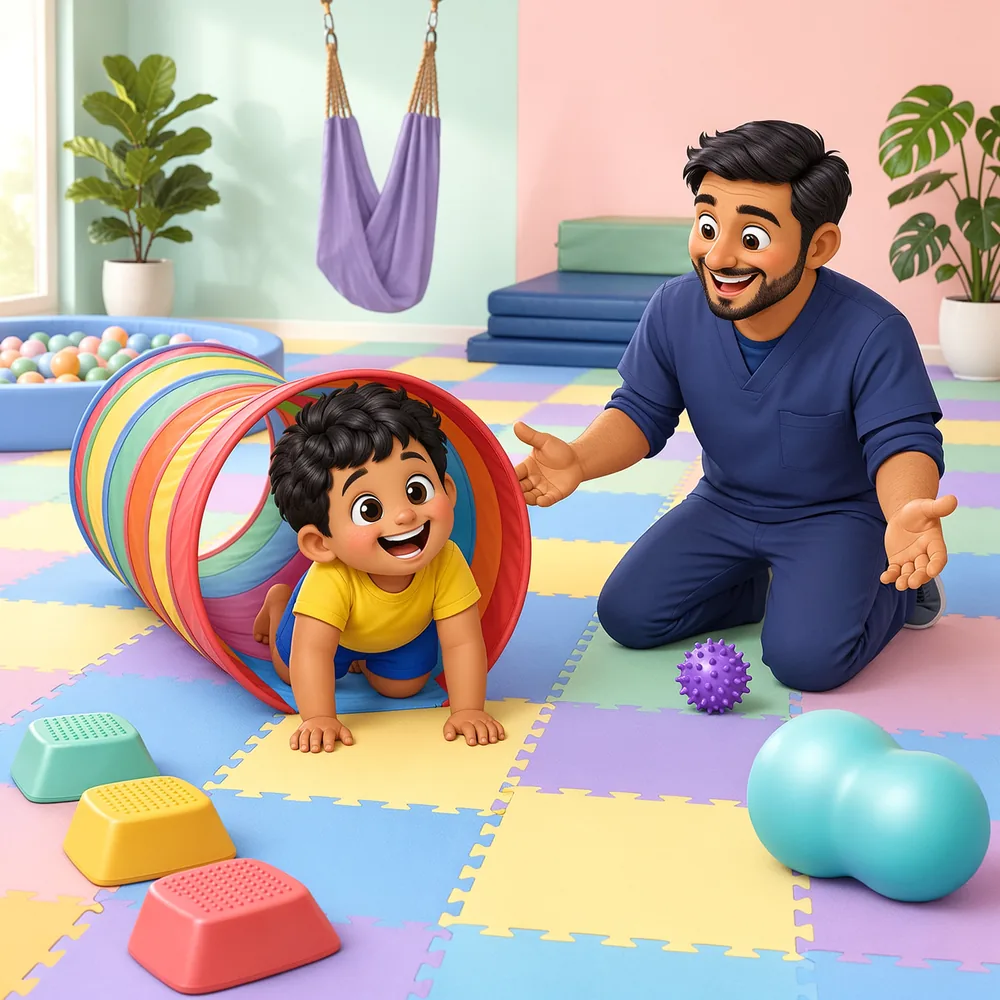
When sensory integration therapy can help
If any of these sound familiar, an assessment is a good first step.
Book an assessment- Covers ears at everyday sounds like the mixer or pressure cooker
- Dislikes haircuts, nail cutting, certain clothes or getting messy
- Seeks constant movement: crashing, spinning, jumping
- Fearful of swings, slides or feet leaving the ground
- Picky about food textures
- Difficulty calming down, sleeping or sitting for table work
What to look out for
A general guide. Every child develops at their own pace, so use it to decide when to ask, not to diagnose.
Very hard to soothe, strong dislike of bathing, dressing or being held, or unusual reactions to movement.
Avoids messy play, very upset in noisy places, constantly on the move or easily overwhelmed.
Distracted by noise or clothing in class, avoids playground equipment, frequent meltdowns after school.
How it works at SPOT
Sensory assessment
We use observation, structured activities and parent questionnaires to understand how your child responds to sensations.
Individual plan
Goals linked to daily life, like tolerating a haircut, joining group play or settling for homework.
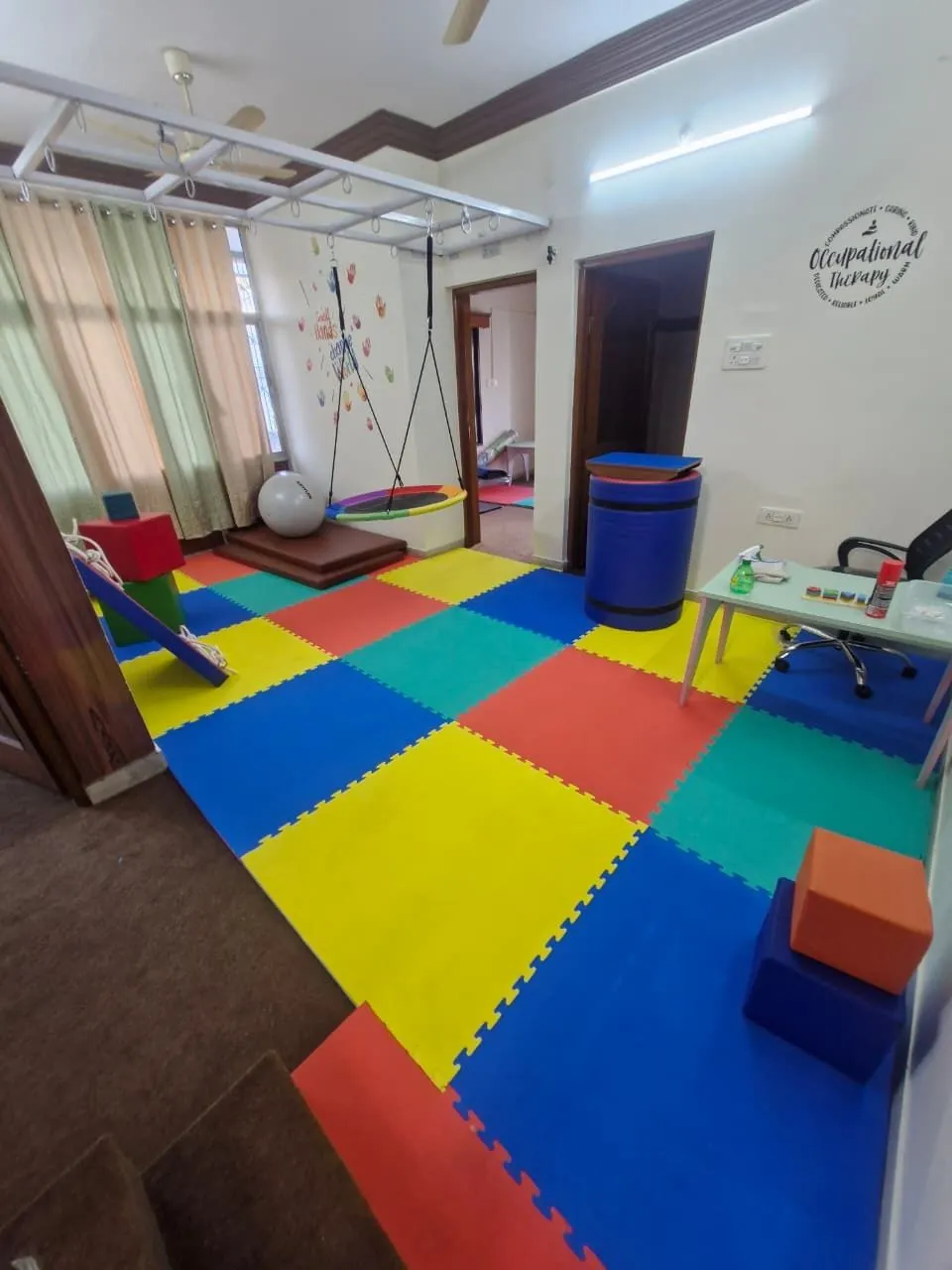
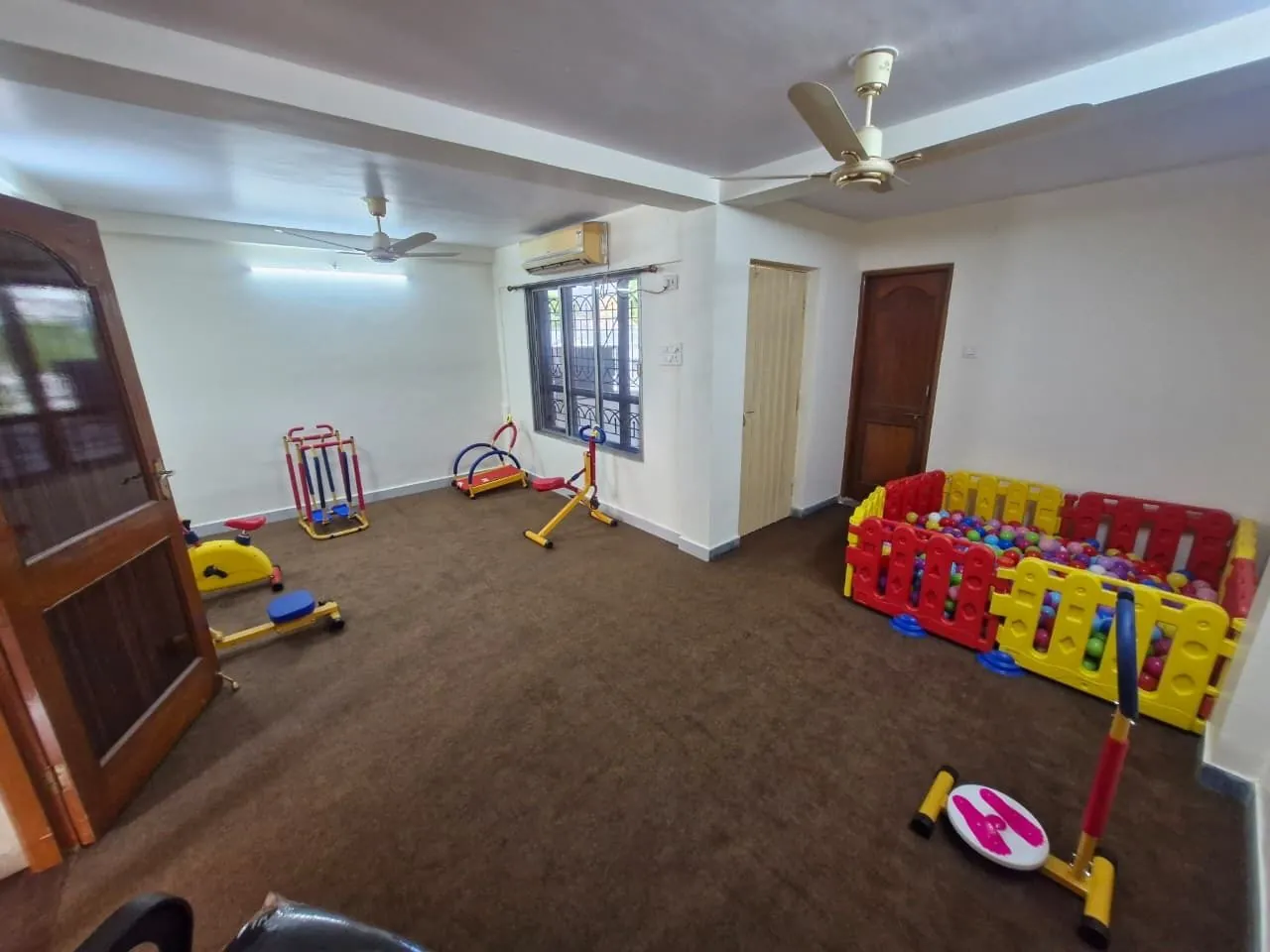
Therapy in our sensory room
45-minute play-based sessions using swings, mats, textures and movement activities.
Sensory routine for home
A simple daily plan of activities that help your child stay calm and focused.
Led by Dr Yogesh Mandawkar, Senior Occupational Therapist, SI-certified, supported by supervised OT interns.
Meet the team →What happens in the first assessment
You will leave with a clear picture of what is happening and what to do next.
Book an assessment- Before you come: we ask a few questions on the phone and fix a time. Bring any reports, and notes on situations that are hardest at home or school.
- During the assessment: the therapist takes a detailed history, then observes and plays with your child. We watch how your child plays, moves and reacts to touch, sound and movement, and go through a sensory questionnaire with you.
- After the assessment: we explain what we found in simple language, suggest whether therapy is needed, and give you one or two things to start at home straight away.
- How long it takes: usually 1 to 2 hours, depending on your child's needs. You stay with your child throughout.
What parents can do at home
Therapy works best when it continues in daily life. Your therapist will tailor these ideas to your child.
Read: Signs worth getting checked (Parents' corner) →- Give heavy-work activities before hard tasks: carrying, pushing, climbing or animal walks.
- Warn your child before loud noises or changes when you can.
- Let your child explore messy play at their own pace, without forcing.
- Create a quiet corner where your child can calm down.
- Follow the daily sensory routine your OT gives you.
Your therapists

Clinically reviewed by Monika Pilania, BASLP (AIISH, Mysore), Clinical Director
Common questions
What is sensory integration?
It is how the brain takes in and organises information from the senses, like touch, movement, sound and body position, so we can respond comfortably.
Is sensory integration therapy only for autistic children?
No. Many children without autism have sensory difficulties. It is also common alongside ADHD and developmental delays.
What does a session look like?
It looks like play: swinging, climbing, crawling through tunnels or playing with textures. Each activity is chosen for your child's goals.
Can parents watch the session?
Yes. We encourage parents to observe and learn activities to continue at home.
How is this different from regular OT?
Sensory integration is one approach within occupational therapy. Your child's OT may combine it with motor and daily-living goals.
Is there evidence for sensory integration therapy?
Research on sensory integration therapy is still developing, and results vary between children. We set clear, practical goals and review progress with you, so you can see whether it is helping.
Support that works together

Feeding therapy
Picky eating, textures, chewing and stressful mealtimes. Our core specialisation.
Learn more →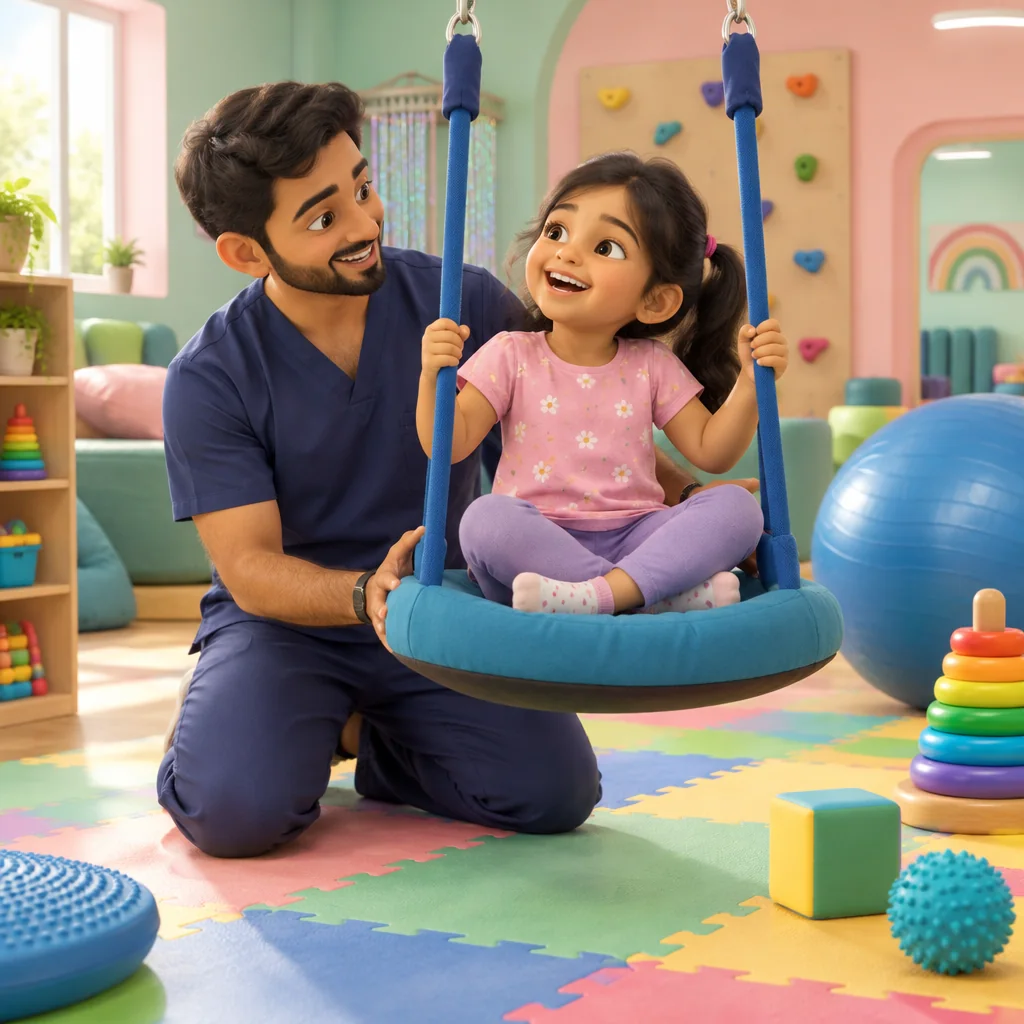
Occupational therapy
Sensory, motor and handwriting skills for children; rehabilitation and daily living skills for adults.
Learn more →
Autism support
Communication, play, daily-living and learning support, planned together.
Learn more →Not sure where to start?
Tell us what you have noticed. We will listen, and guide you to the right first step.