Occupational therapy in Nagpur for everyday skills and independence
Builds the skills needed for daily life, play, learning and independence, for children and adults.
Qualified, named therapists · 2A Swaroop Nagar, Nagpur · We usually call back within 1 working day during working hours.
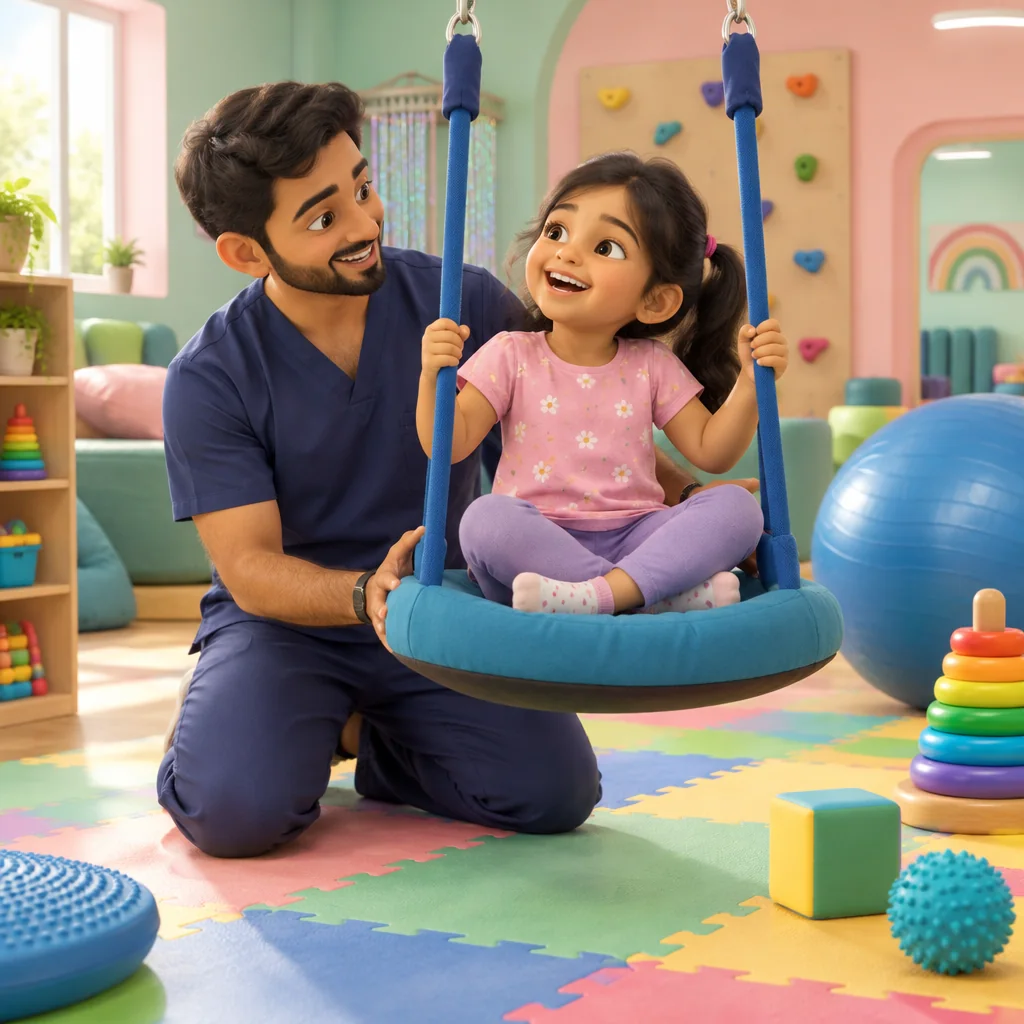
Occupational therapy for kids & adults
If any of these sound familiar, an assessment is a good first step.
Occupational therapy for children
- Sensory processing difficulties
- Fine motor skills: pencil grip, buttons, scissors
- Gross motor skills, balance and coordination
- Handwriting difficulties
- Self-care and daily living skills
- Attention and self-regulation
- Play skills
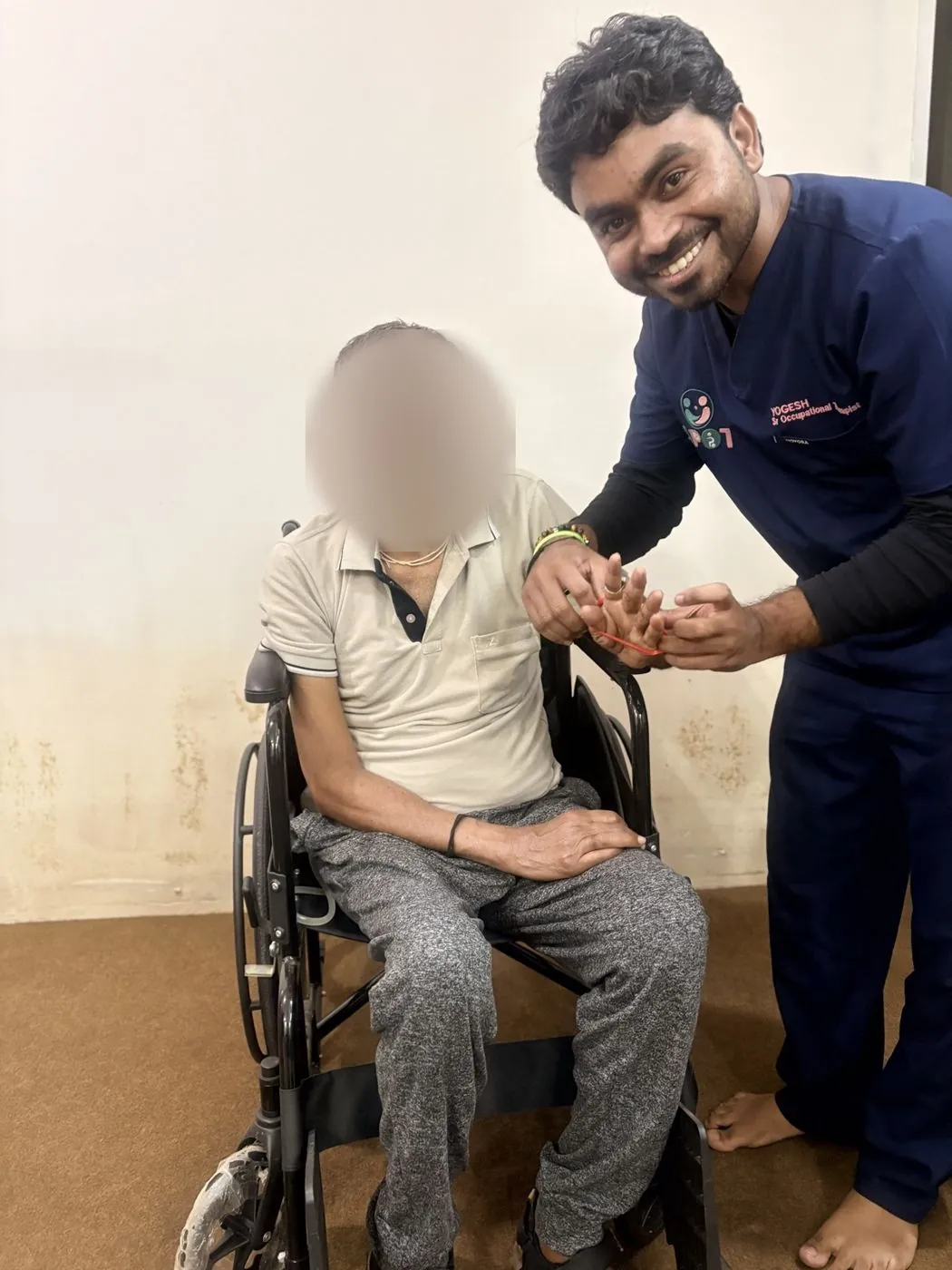
Occupational therapy for adults
- Rehabilitation after a stroke
- Hand rehabilitation and grip strength
- Fine motor and hand function
- Daily living skills after illness or injury
What to look out for
A general guide. Every child develops at their own pace, so use it to decide when to ask, not to diagnose.
Late to sit, crawl or walk, very floppy or stiff, or does not like being moved or held.
Clumsy, falls often, avoids play equipment, or finds it hard to stack blocks, hold a crayon or feed themselves.
Struggles with pencil grip, scissors, buttons or dressing; tires quickly when sitting; very upset by noise or touch.
Messy or slow handwriting, poor posture, difficulty organising, or trouble sitting still in class.
Weak grip, poor hand control or difficulty with daily tasks after a stroke, injury or illness.
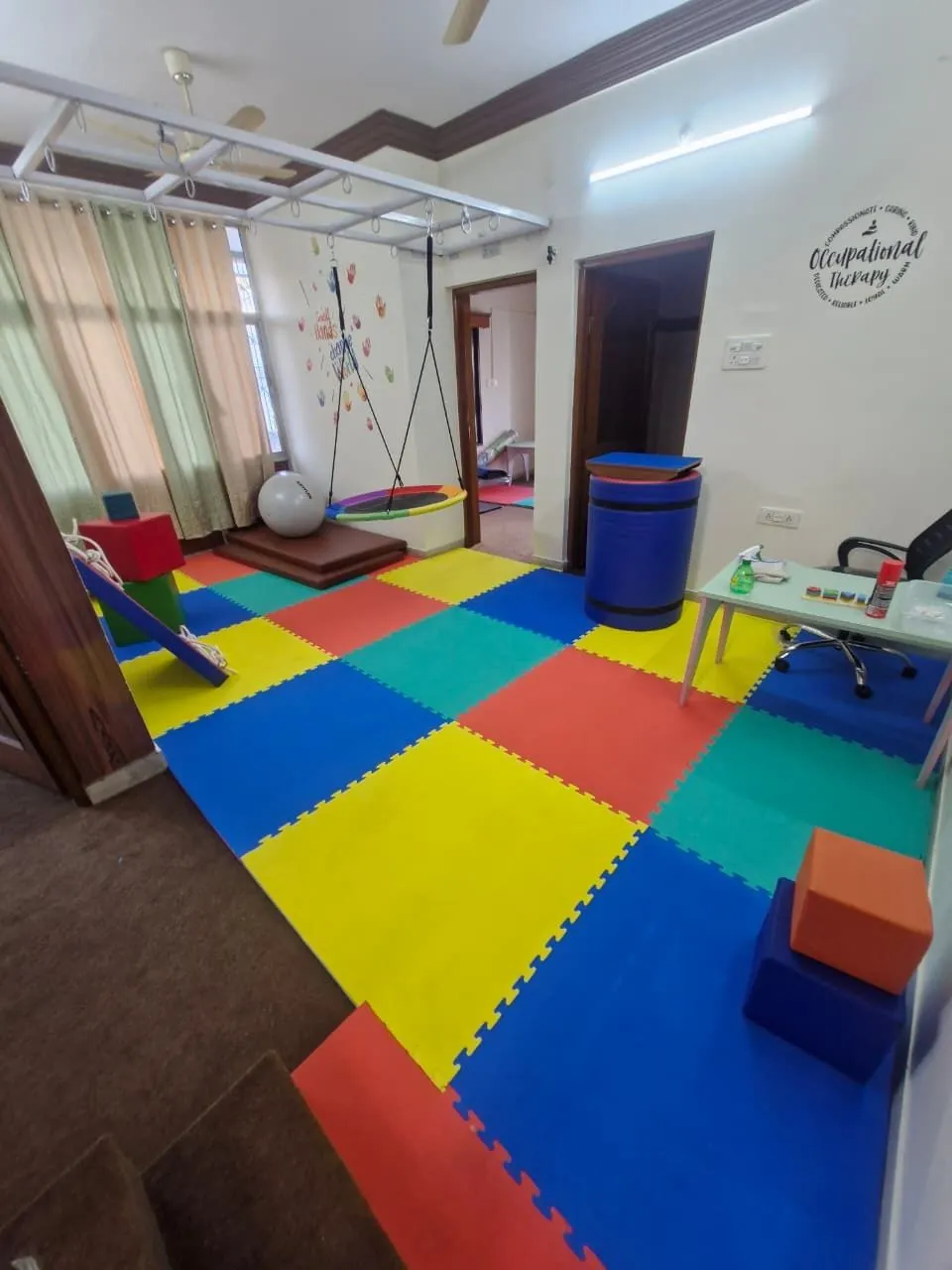
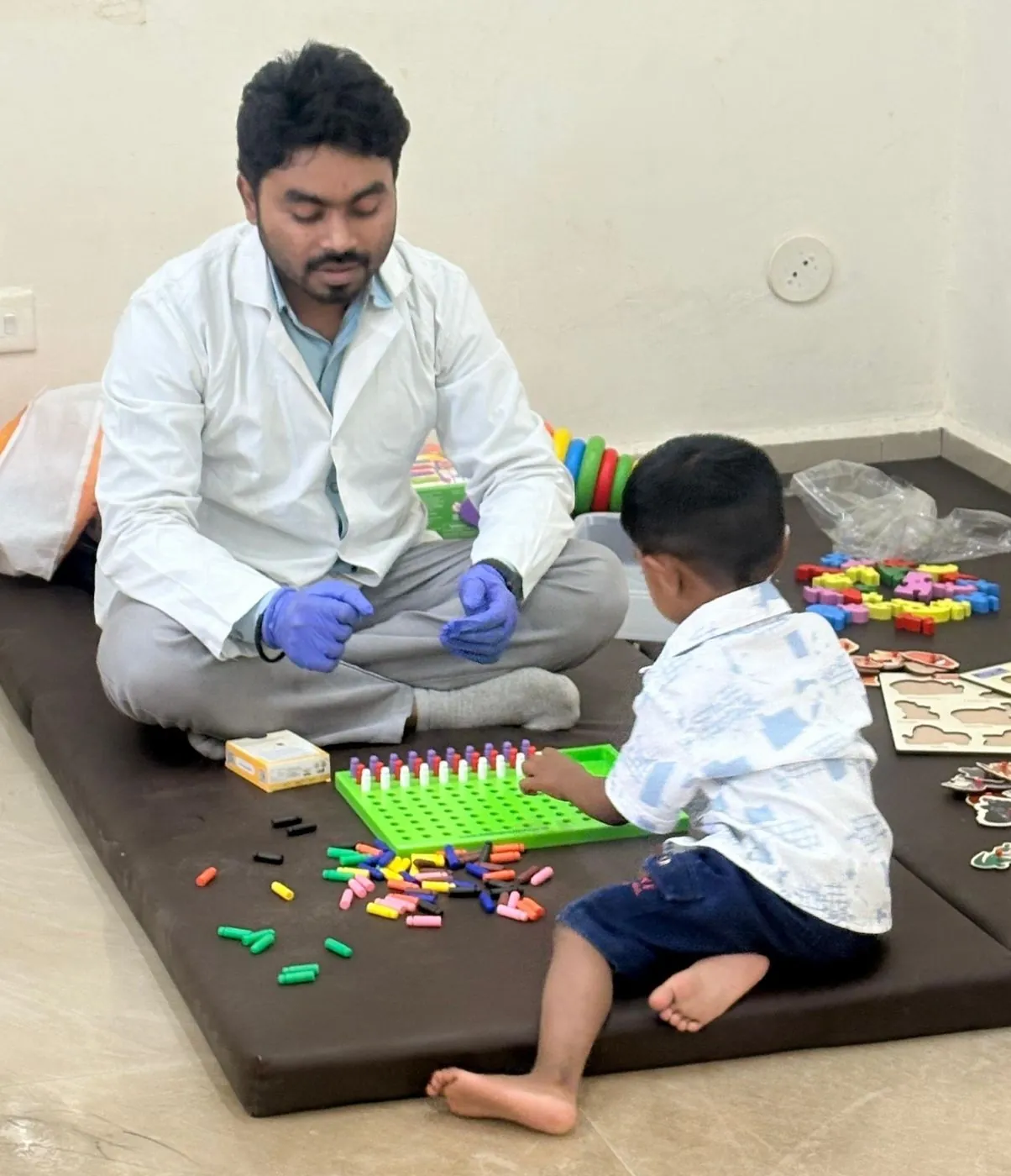
How it works at SPOT
OT assessment
We look at motor skills, sensory processing, daily living skills and how your child plays and learns.
Individual plan
Goals that matter at home and at school, such as dressing independently, writing comfortably, or coping with busy places.
Therapy sessions
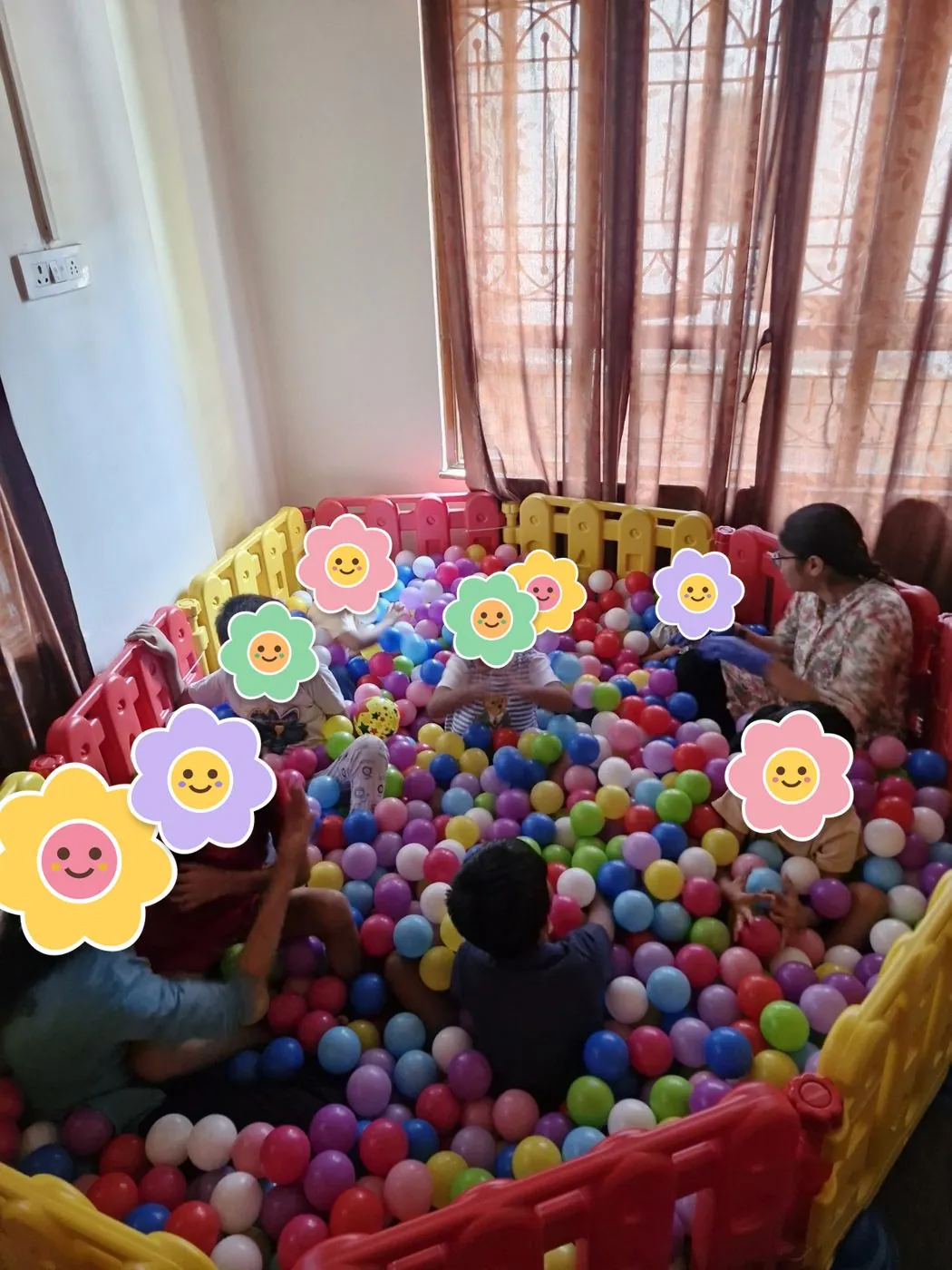
45-minute sessions using sensory integration, play and structured activities.
Home and school strategies
Practical ideas for daily routines, and suggestions you can share with teachers.
Led by Dr Yogesh Mandawkar, Senior Occupational Therapist, supported by supervised OT interns.
Meet the team →What happens in the first assessment
You will leave with a clear picture of what is happening and what to do next.
Book an assessment- Before you come: we ask a few questions on the phone and fix a time. Bring any reports and, for school-age children, a few pages of their writing.
- During the assessment: the therapist takes a detailed history, then observes and plays with your child. We look at gross and fine motor skills, balance, sensory responses, self-care and how your child plays and learns.
- After the assessment: we explain what we found in simple language, suggest whether therapy is needed, and give you one or two things to start at home straight away.
- How long it takes: usually 1 to 2 hours, depending on your child's needs. You stay with your child throughout.
What parents can do at home
Therapy works best when it continues in daily life. Your therapist will tailor these ideas to your child.
Read: Signs worth getting checked (Parents' corner) →- Plenty of active play: climbing, crawling through tunnels, swinging and jumping.
- Small-hand games: play dough, tearing paper, picking up beads, using pegs.
- Let your child do one part of dressing or eating independently every day.
- Short movement breaks before homework or table work.
- Follow the sensory routine or activities your OT gives you.
Your therapists

Clinically reviewed by Monika Pilania, BASLP (AIISH, Mysore), Clinical Director
Common questions
What is sensory integration therapy?
It helps children who are over- or under-sensitive to sound, touch, movement or other senses to respond more comfortably, through guided, play-based activities.
My child is clumsy. Is that a concern?
Some clumsiness is normal. If it affects play, self-care or school work, or your child avoids physical activities, an OT assessment can help.
Do you offer OT for adults?
Yes. We provide occupational therapy for adults who need to rebuild daily living skills after illness or injury.
How is OT different from physiotherapy?
Physiotherapy focuses mainly on movement and strength. OT focuses on the everyday activities a person needs to do, such as play, self-care, writing and work, and the skills behind them.
Can OT help with handwriting?
Yes. We work on posture, grip, hand strength and coordination, and give practical ideas you can share with the school.
Will my child need OT and speech therapy together?
Some children do. If the assessment shows that, our OT and speech therapists plan goals together.
Support that works together
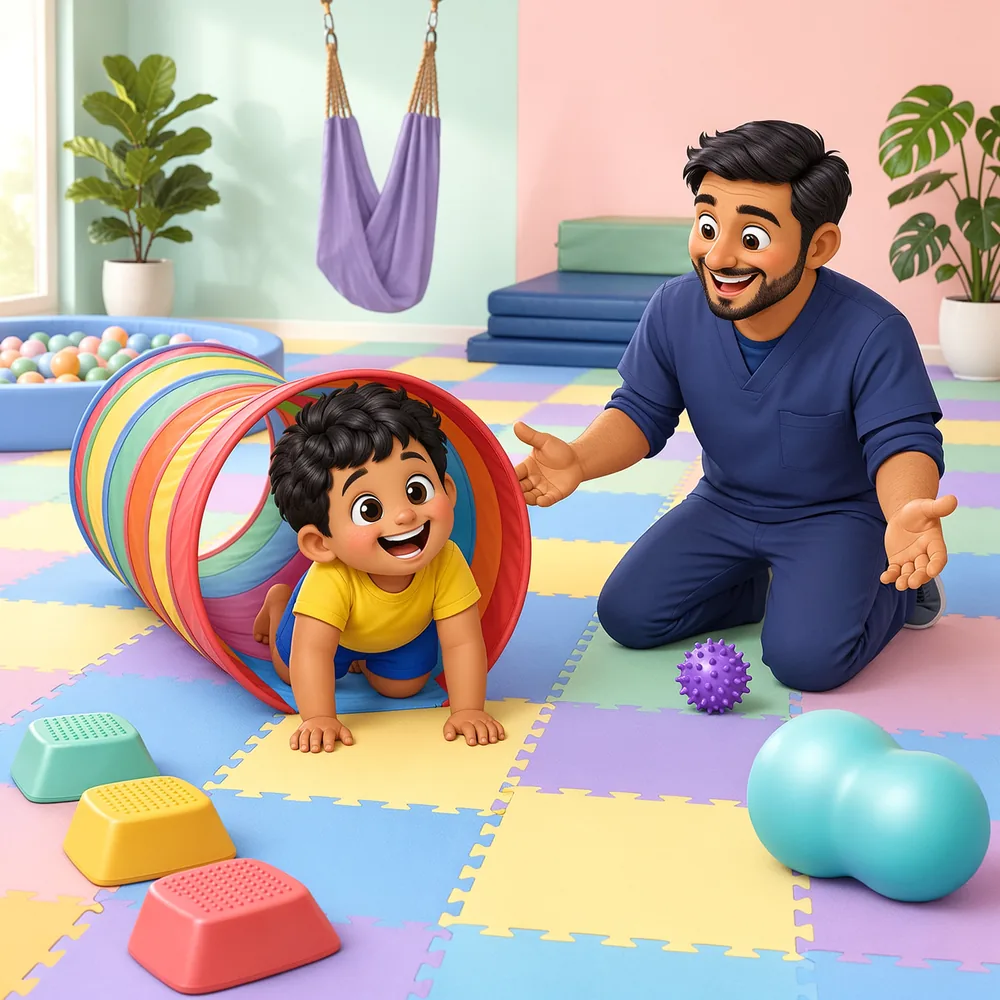
Sensory integration therapy
For children who are over- or under-sensitive to sound, touch or movement.
Learn more →
Autism support
Communication, play, daily-living and learning support, planned together.
Learn more →
Special education
Learning difficulties, school readiness, behaviour and IEPs.
Learn more →Not sure where to start?
Tell us what you have noticed. We will listen, and guide you to the right first step.