Autism support in Nagpur, built around your child
Speech-language therapy, occupational therapy, special education and parent guidance, planned together by one team for autistic children and their families.
Qualified, named therapists · 2A Swaroop Nagar, Nagpur · We usually call back within 1 working day during working hours.

When autism support can help
If any of these sound familiar, an assessment is a good first step.
Book an assessment- Limited speech, or speech that is not yet used to communicate needs
- Not responding to name, limited eye contact or shared attention
- Strong reactions to sounds, touch, clothes or food
- Repetitive play or routines, and distress when things change
- Difficulty with play, turn-taking or making friends
- Feeding difficulties alongside autism
What to look out for
A general guide. Every child develops at their own pace, so use it to decide when to ask, not to diagnose.
Not responding to name, few gestures like pointing or waving, little shared smiling or looking.
Not using words or losing words they had, little interest in other children, repetitive play.
Talks in phrases repeated from videos, finds changes in routine very hard, very sensitive to sounds or textures.
Difficulty with conversation, friendships, group work or managing feelings at school.
How it works at SPOT
Team assessment
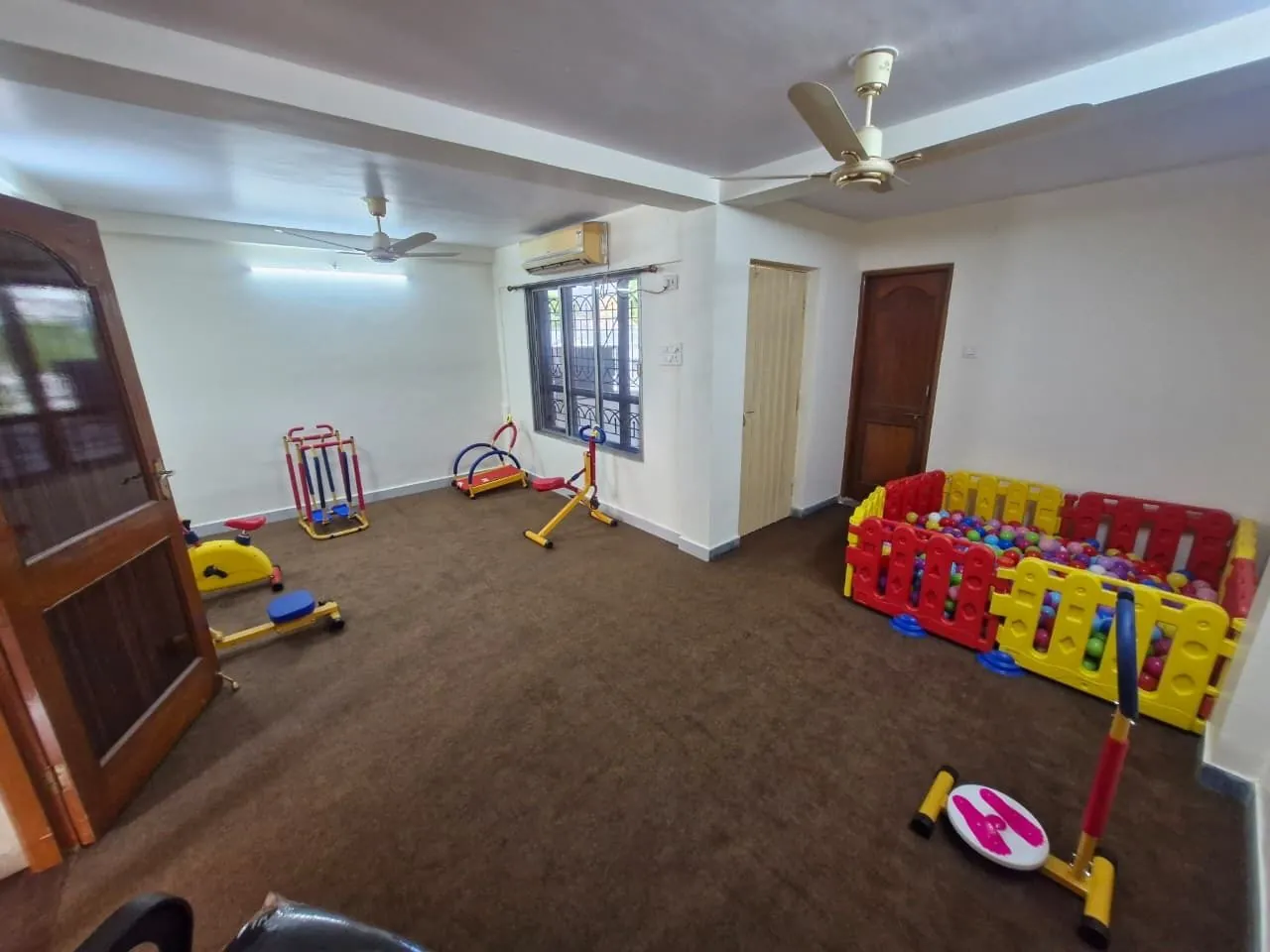
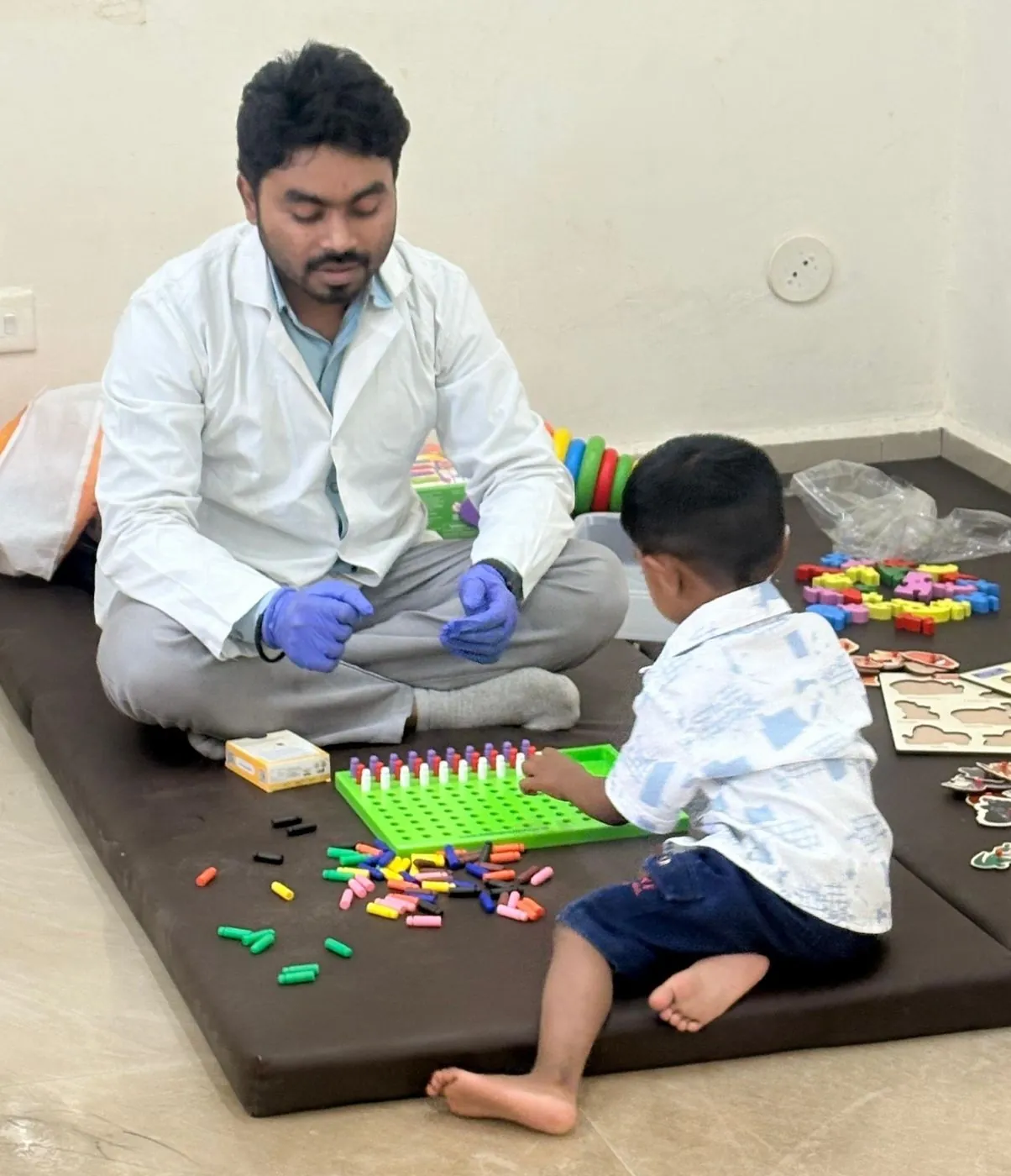
Speech, OT and special education look at communication, sensory needs, play and learning, and listen to your observations.
One shared plan
Therapists agree a small number of clear goals together, so your child is not pulled in different directions.
Regular therapy
45-minute sessions in speech, OT or special education, as your child needs.
Parent coaching
You learn simple strategies for play, communication and routines at home.
Our autism support team: Monika Pilania and Gagandeep (speech), Dr Yogesh Mandawkar (OT), Vandana Harsulkar and Surbhi Gupta (special education).
Meet the team →What happens in the first assessment
You will leave with a clear picture of what is happening and what to do next.
Book an assessment- Before you come: we ask a few questions on the phone and fix a time. Bring any previous reports, a list of words or signs your child uses, and short videos of a typical day.
- During the assessment: the therapist takes a detailed history, then observes and plays with your child. We observe how your child communicates, plays, moves and responds to sounds and touch, and we ask detailed questions about development and daily routines.
- After the assessment: we explain what we found in simple language, suggest whether therapy is needed, and give you one or two things to start at home straight away.
- How long it takes: usually 1 to 2 hours, depending on your child's needs. You stay with your child throughout.
What parents can do at home
Therapy works best when it continues in daily life. Your therapist will tailor these ideas to your child.
Read: When should a child start talking? →- Follow your child's interest and join their play for a few minutes at a time.
- Use short, simple words and gestures, and wait for your child to respond.
- Use pictures or a simple visual timetable for daily routines.
- Prepare your child for changes ahead of time.
- Note what upsets or calms your child, and share it with the team.
Your therapists


Clinically reviewed by Monika Pilania, BASLP (AIISH, Mysore), Clinical Director
Common questions
Do you diagnose autism?
A formal diagnosis is usually made by a developmental paediatrician, child psychiatrist or a specialist team. We assess your child's needs, start support, and can guide you on where to go for a diagnosis.
Can we start therapy before a formal diagnosis?
Yes. Support can begin based on your child's needs. You do not have to wait for a label to start helping your child communicate and play.
Can autism be cured?
Autism is not an illness to be cured. Therapy helps with communication, daily skills and coping, so your child can take part more comfortably at home and school.
Which therapy should we start with?
It depends on your child. The team assessment shows which areas need attention first, and we plan together.
How much should parents be involved?
As much as possible. Children spend most of their time with family, so what you practise at home makes a real difference.
Do you help with school?
With your permission, we can share strategies with teachers and discuss support in class.
Support that works together

Speech-language therapy
Misarticulation, late talking, stuttering, cleft palate speech, and speech after a stroke.
Learn more →
Occupational therapy
Sensory, motor and handwriting skills for children; rehabilitation and daily living skills for adults.
Learn more →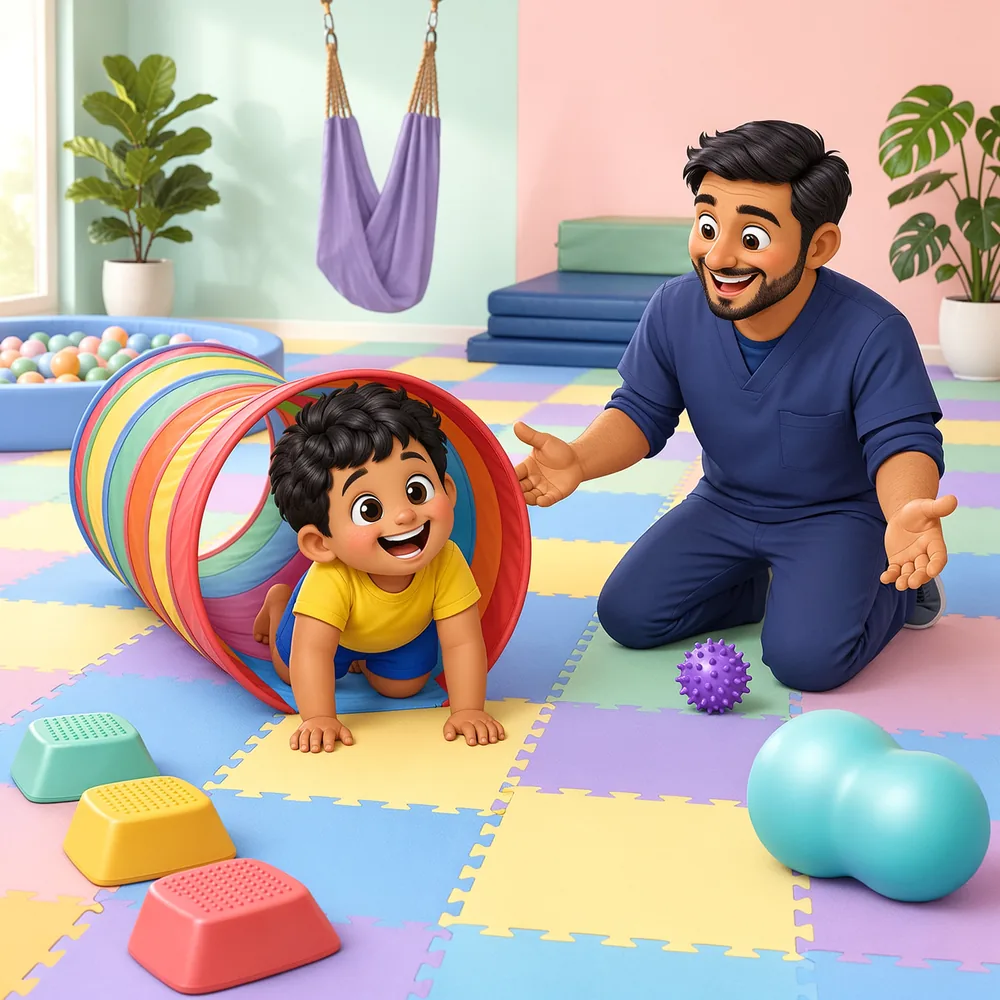
Sensory integration therapy
For children who are over- or under-sensitive to sound, touch or movement.
Learn more →Not sure where to start?
Tell us what you have noticed. We will listen, and guide you to the right first step.